Digging In: with Briar Winters
The NYC apothecary shares her exuberant city garden plot.

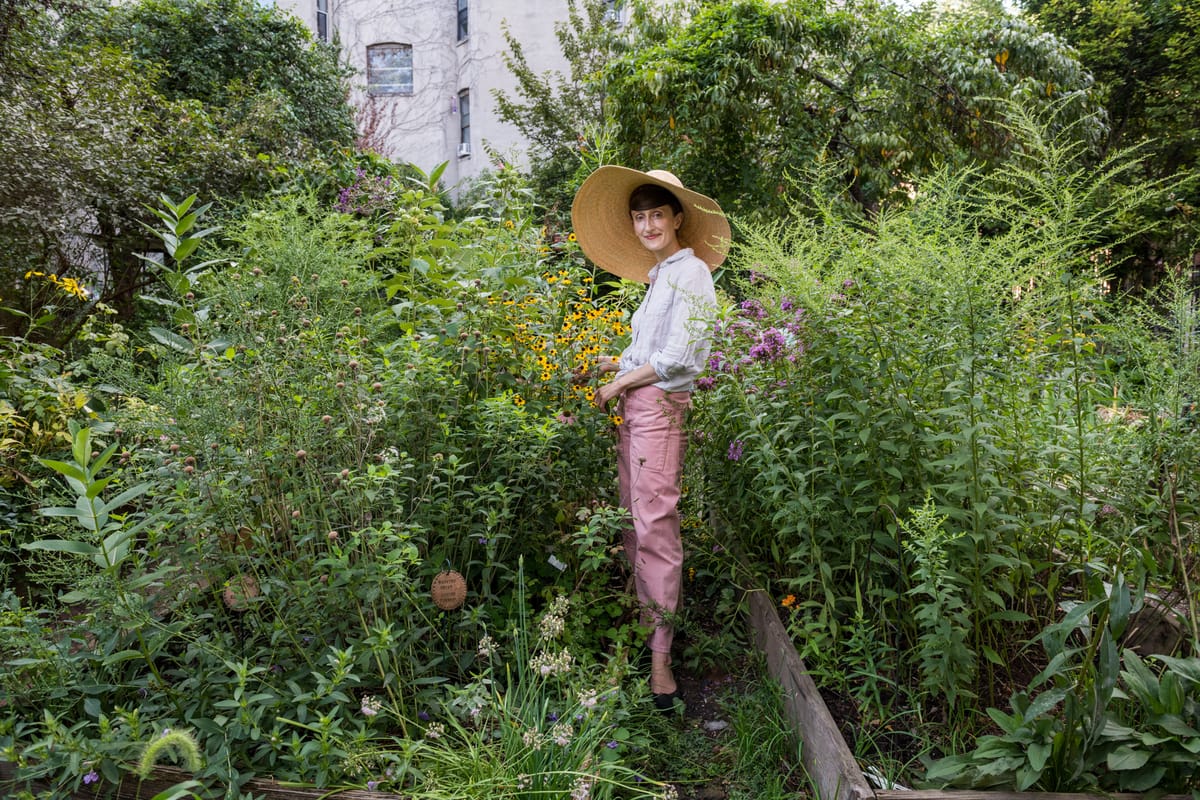
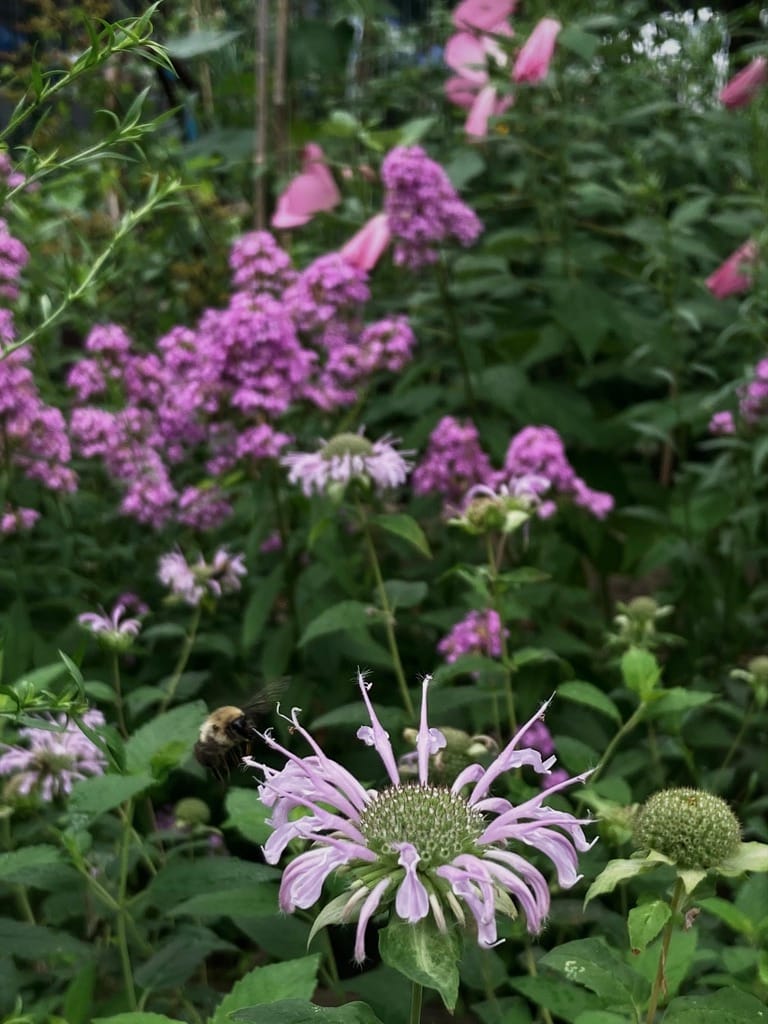
Today I’m beyond excited to kick off a new Q&A series on the blog. I’m envisioning Digging In as simply a wide range of gardeners talking about — and sharing pics of! — their own self-made gardens, and I can’t think of a better first guest than Briar Winters. I ‘met’ Briar on Instagram probably a decade ago and fell in love with her beautiful photos (via IG, her newsletter and the postcards she tucks into orders), her outlook on the world, and her hand-crafted, plant-derived apothecary line, Marble & Milkweed. Briar’s life and business revolve around plants, and the frequent glimpses she shares of her deliciously blowsy, bee-filled, urban garden patch always leave me wanting to see and know more. So I’m absolutely thrilled to be able to share this first garden visit with you today and hope you find it as inspiring and moving as I have. Thank you so much, Briar!
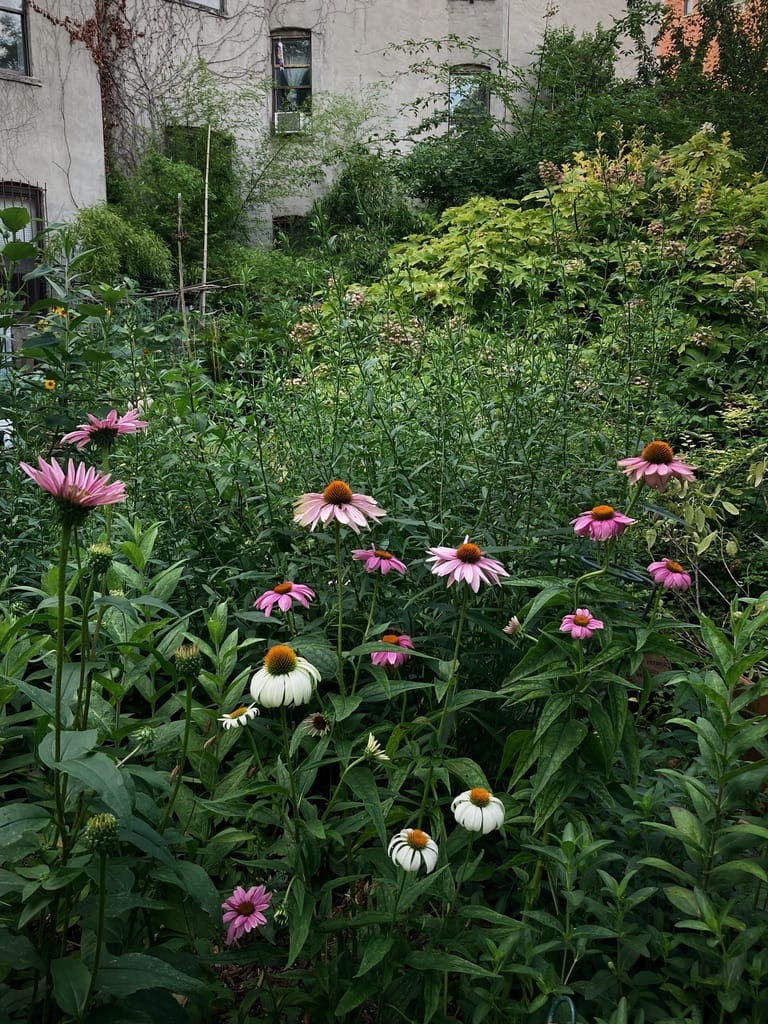
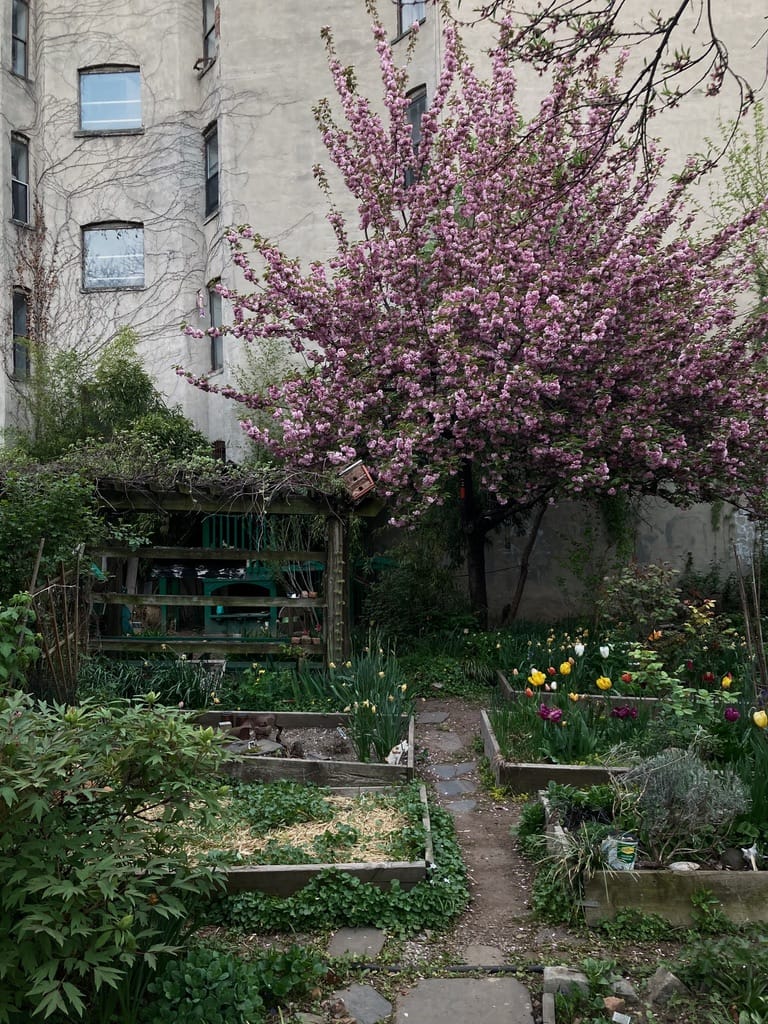
What is the nature of your garden? Please tell us a little about its size, shape, general location/zone.
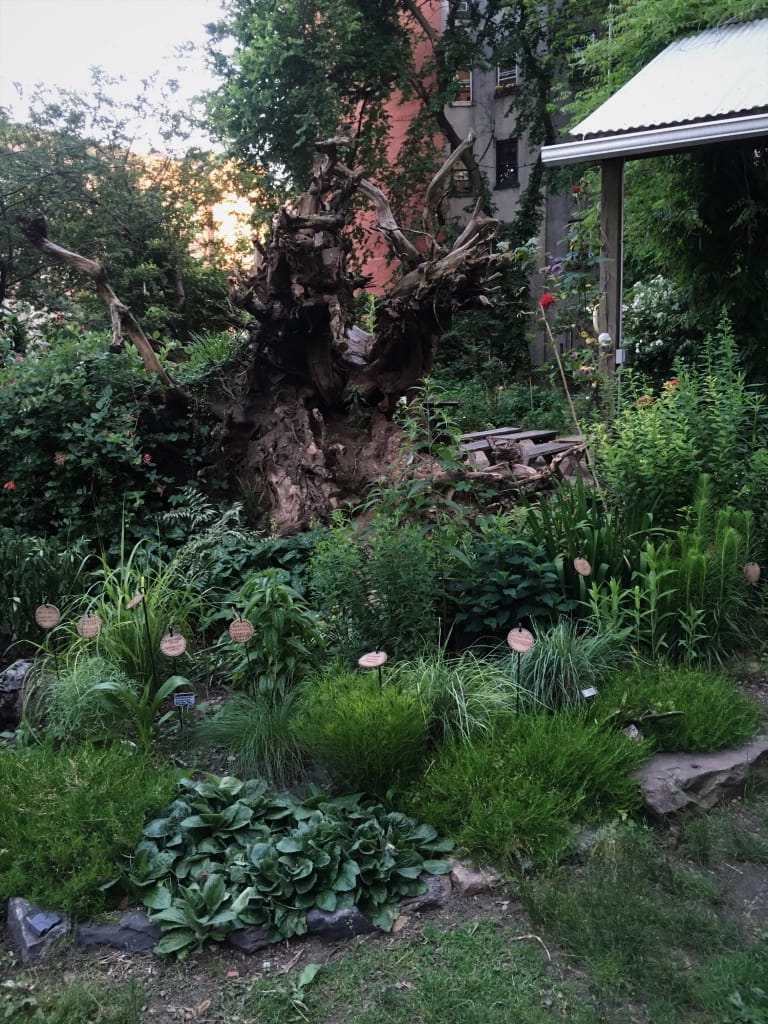
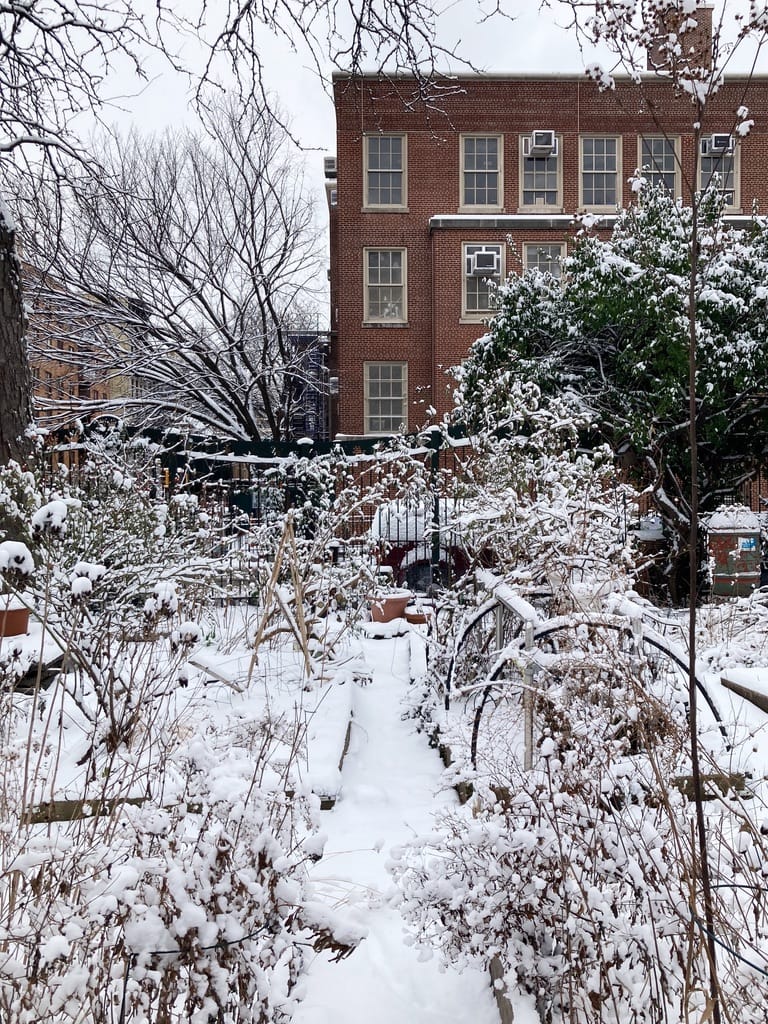
I’ve been a member of the 6th St & Avenue B Community Garden since about 2011. The garden is located right where you’d expect, in what some say is the East Village, although many people who have been in the neighborhood a long time still refer to it as the Lower East Side. In so-called Lower Manhattan, New York City on the unceded land of the Lenape people. In that time, the land was a salt marsh. Skipping forward to the city’s fiscal crisis of the 1970s, this area faced massive municipal disinvestment and neglect driven by structural racism, and many of the old tenements originally built to house waves of immigrants in the late 1800s and early 1900s fell into disrepair. The deteriorating burnt-out buildings that once stood where our garden is were demolished by the city in the early 1980s and a small committee of neighborhood residents began making plans for a community garden on the site. Lots more history can be found here, for anyone curious. Today, each member receives a 4 foot by 8 foot raised-bed plot, still at the excellent suggested donation rate of $12 per year, plus required hours helping with communal tasks. The garden has around 100 plots, some managed by individuals, some by families and households, as well as various community growing areas.
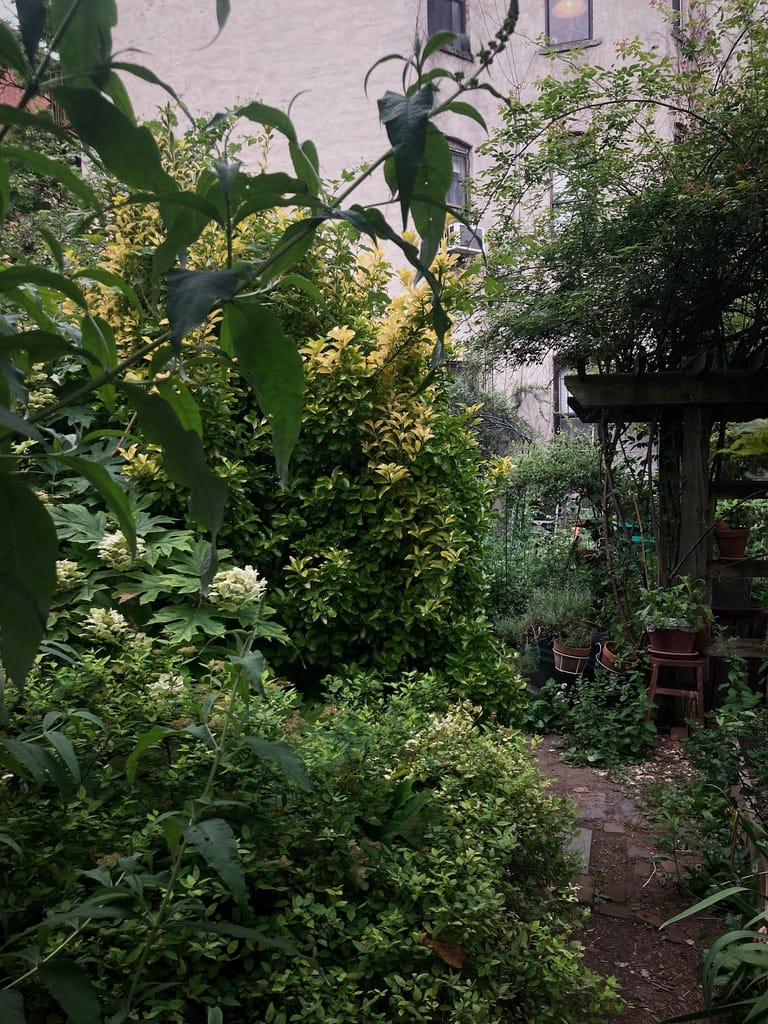
Did it pre-exist you, or did you make it from scratch? What was it like when you arrived on the scene? And how long have you been making this garden?
My partner Michael and I got interested in joining the garden while we were both working in kitchens, him as a line cook and myself as a pastry chef. I’d lived in the neighborhood since 2002 and we often walked through the garden on weekends when the gates were open to admire the plantings. I had grown up gardening and we had both spent a bit of time doing agricultural work thanks to connections with local farmers we’d made in the restaurant world. We got curious about how it might be to grow things in the city, and we put in our application. Joining meant becoming part of a community, perhaps more than I had initially realized. The garden isn’t simply a collection of plots, but a place to get to know your neighbors. Some of the garden’s founding members are still a part of it today, and each season we welcome new members, as well.
I’ve been gardening in the same plot since 2011. Back then my plot was very shady, resting under the lush branches of a 4-story tall weeping willow, with a smattering of spring bulbs left behind by the previous occupant. In the following autumn when Superstorm Sandy swept through the city, taking the willow tree down with it, my plot suddenly emerged into the light. I’d originally planted it with some woodland things, and some of the original ferns still remain, but much has shifted since that time. I’m grateful to have learned so much alongside my fellow gardeners.
If your garden had a mission statement, what would it be? What is your motivation for making and tending it?
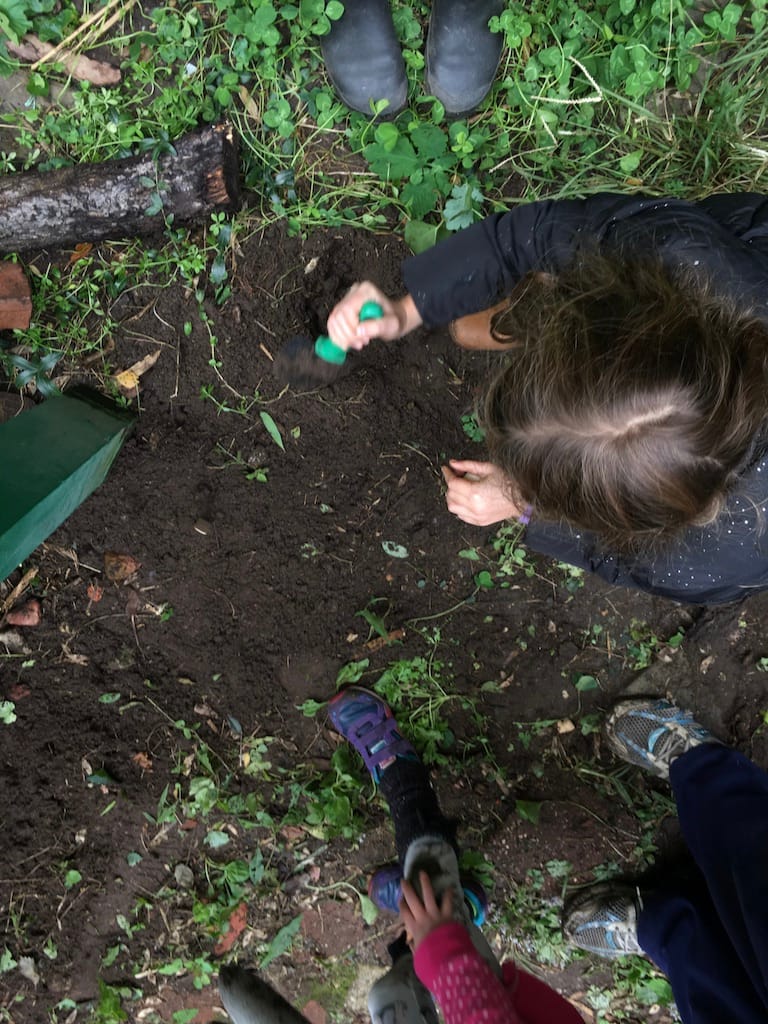
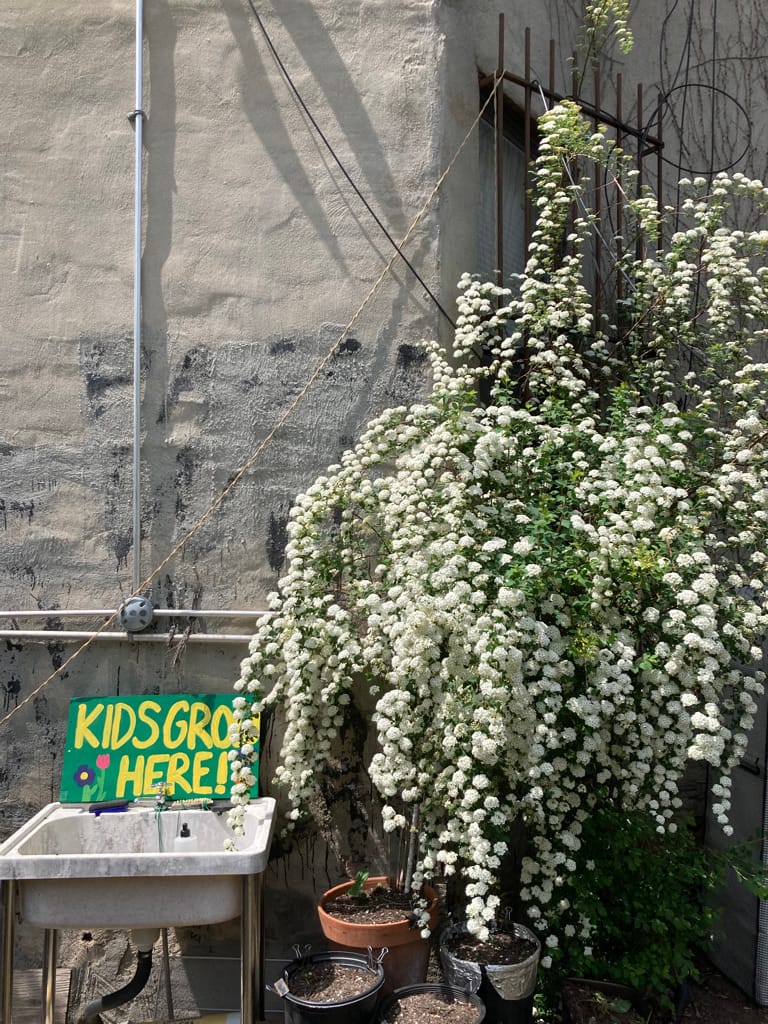
My motivations have evolved quite a bit over the years. Initially I was just delighted to have a place to spend time outside and get my hands dirty, but over time a few specific areas of interest have come into focus for me. I knew that I wanted to find a way to contribute my culinary experience, so in partnership with Michael and our garden colleague Barbara Caporale, who had recently attended the Farm School NYC program, we began to create a kids cooking, gardening & food justice program, and after securing some modest grant funds for supplies & equipment, we offered our first workshop in the autumn of 2015. The program continues today, sharing 4-5 free outdoor cooking workshops each season, alongside a series of gardening sessions for kids and families. The kids help us sow seeds and grow the vegetables, and then they help us harvest and cook things up into nourishing dishes. We call on our diverse community for recipe inspiration, sharing foods from all over the world, and we provide families with nutrition info and resources about SNAP and food assistance to make sure that everyone has access to healthy meals.
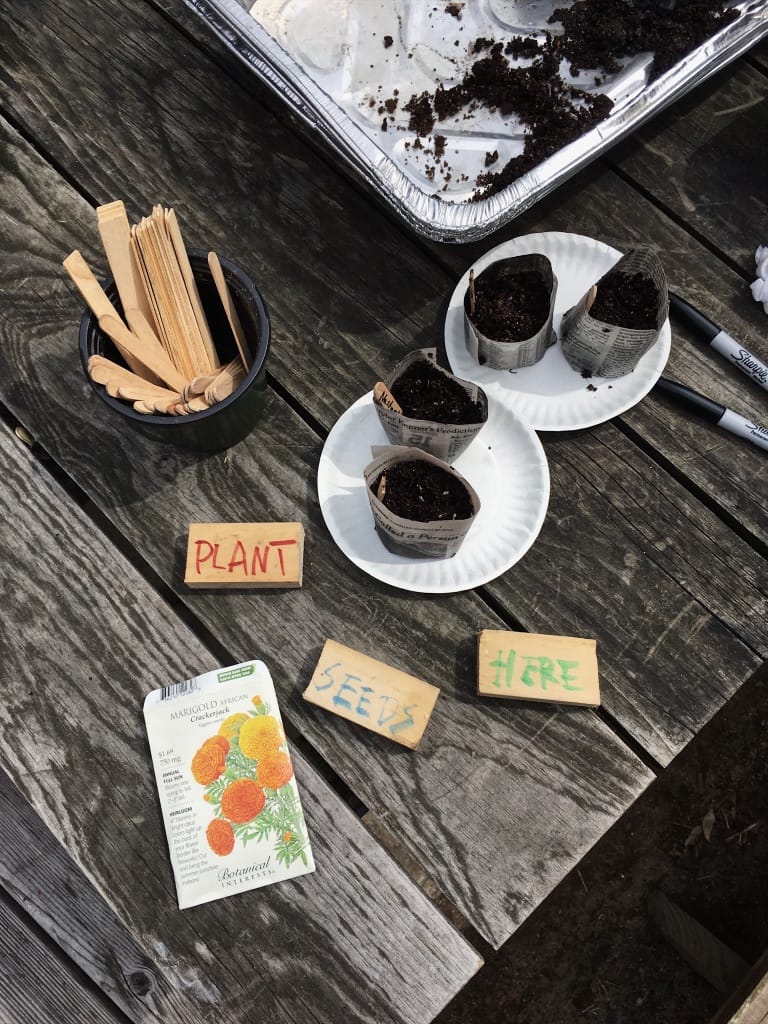
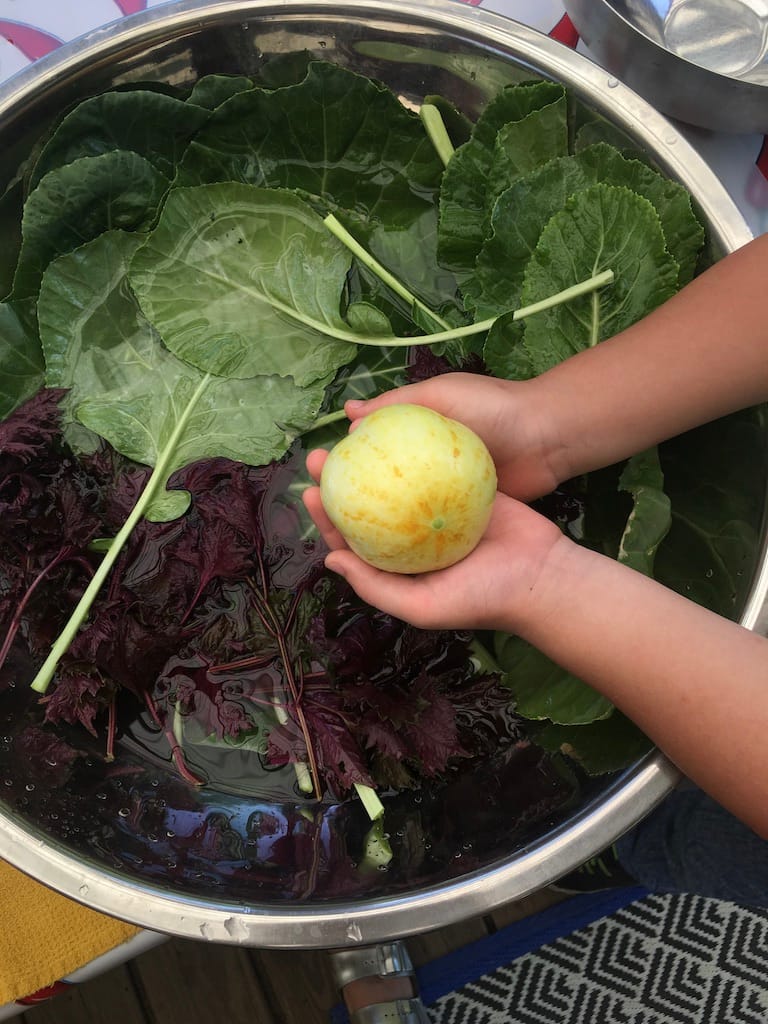
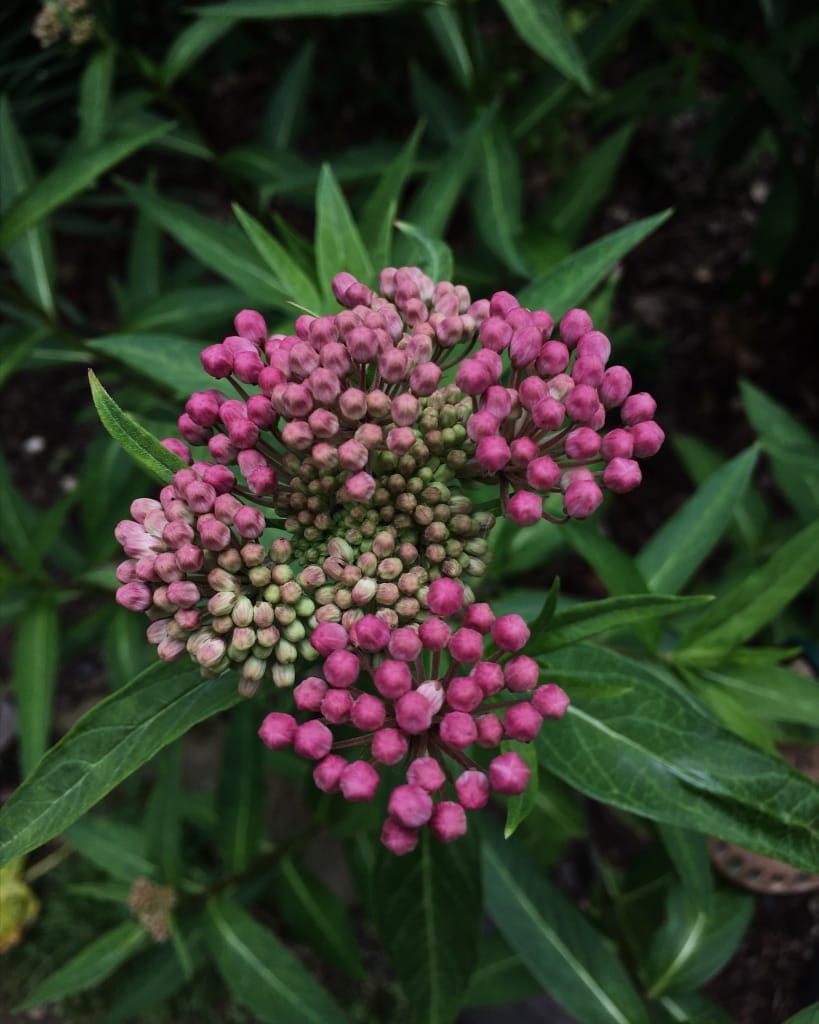
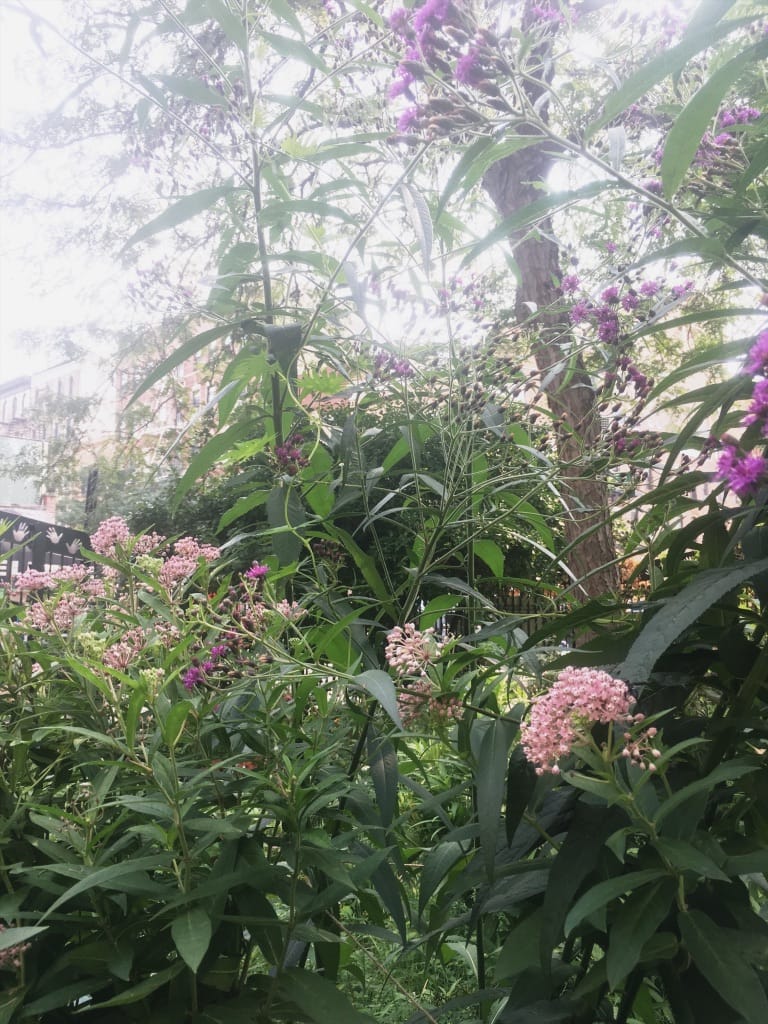
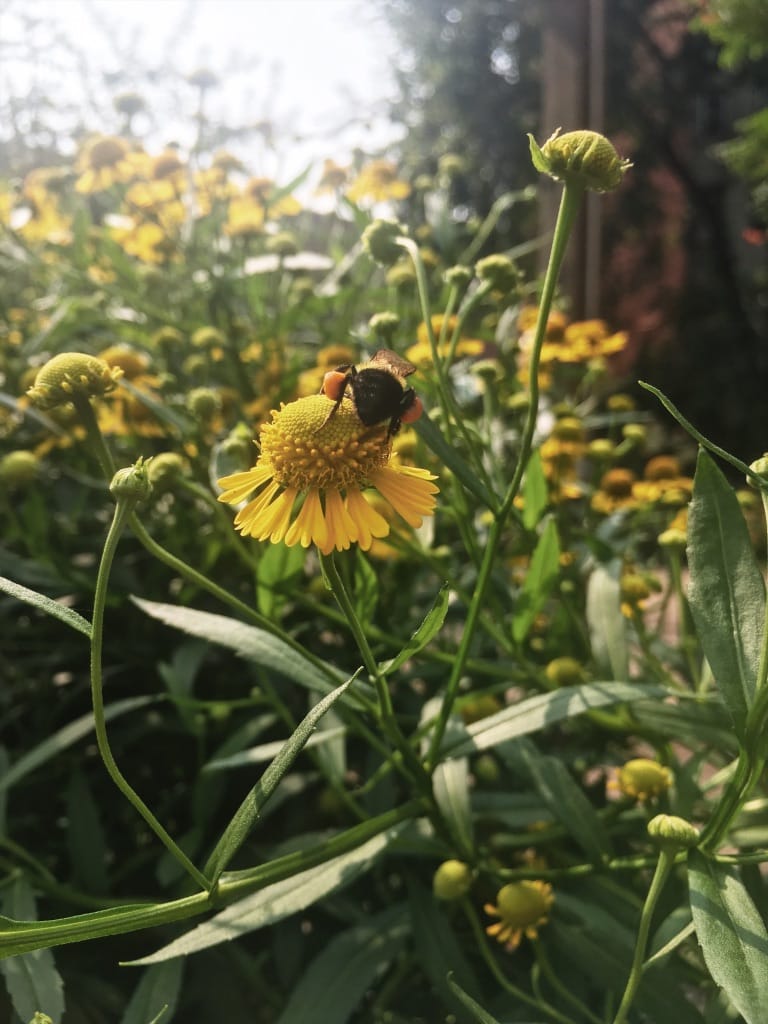
Alongside this program, my own interests in native plant cultivation also grew, nurtured by the garden’s Horticulture committee, led for many years by Mary Buchen, who became a beloved friend. Mary passed away this winter, and I’ve been reflecting quite a bit on the knowledge and enthusiasm she shared so generously with us all over the years. She is very greatly missed. Mary encouraged us to try our hand at growing native plants well before the recent surge of mainstream interest, and she had a particular gift and passion for starting plants from seed. Her kind encouragement will always be with me when I garden. New research confirms the crucial role that small urban pockets of native plantings play in supporting birds, insect populations and our broader ecosystems. Gardening in pursuit of our collective flourishing, that’s a significant motivation for me these days.
How and how much does what you grow factor into your tea and apothecary offerings?
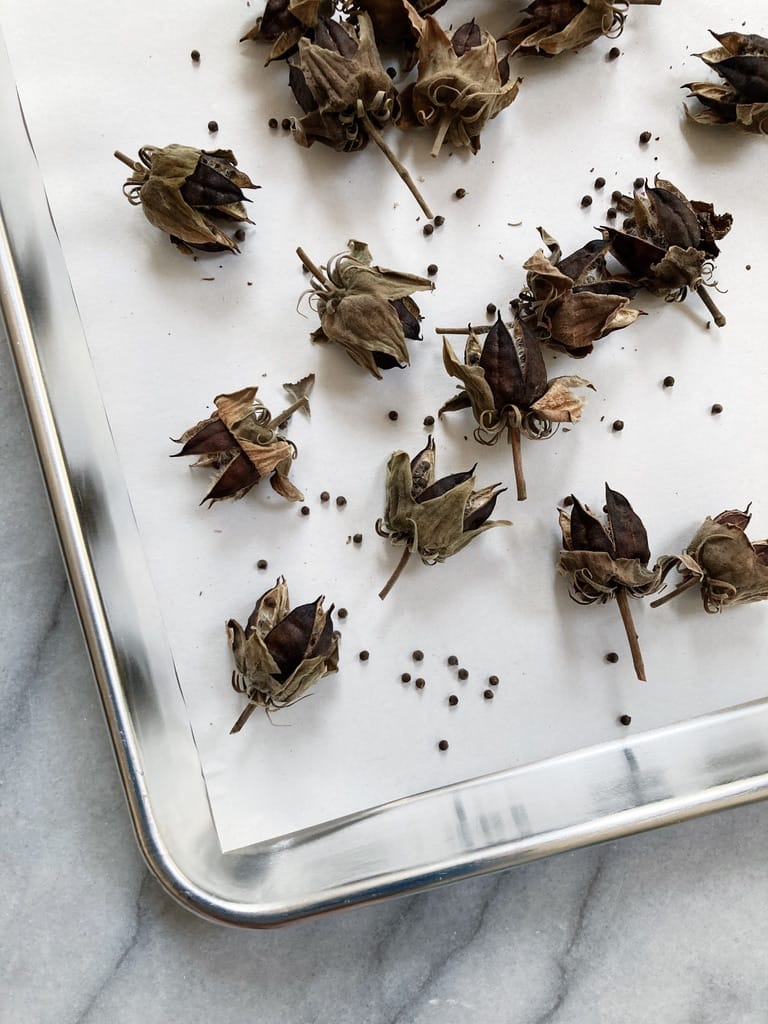
There is no way to grow even a fraction of the botanicals I use in a 4x8 foot plot, alas! I source many of my raw materials for my skincare and tea collection from an extremely talented group of small regional organic & regenerative growers. I do grow our rose geranium (Pelargonium “Attar of Roses”) in my studio to distill for hydrosol, such a special plant. A few things come from specialty growers and distillers farther afield, especially for our botanical perfumes. But the garden remains a source of inspiration, and of connection to the natural world that my work would not survive without. It also functions as a lab, where I can try cultivating certain plants to see if I’d like to work with them more, and to understand how they grow. I feel so grateful for the time I’ve spent on farms, but the Lower East Side is my home, and supporting small-scale sustainable agriculture, the people who are true experts in what they grow, both locally and abroad feels truly vital in these times.
What’s your favorite thing about your garden? And if you have a least-favorite thing about it, or something you would do differently, what would that be?
Favorite things: Staying deeply connected to seasonal rhythms, even in the heart of the city. And being a part of an intergenerational community, it has brought so much richness to my life.
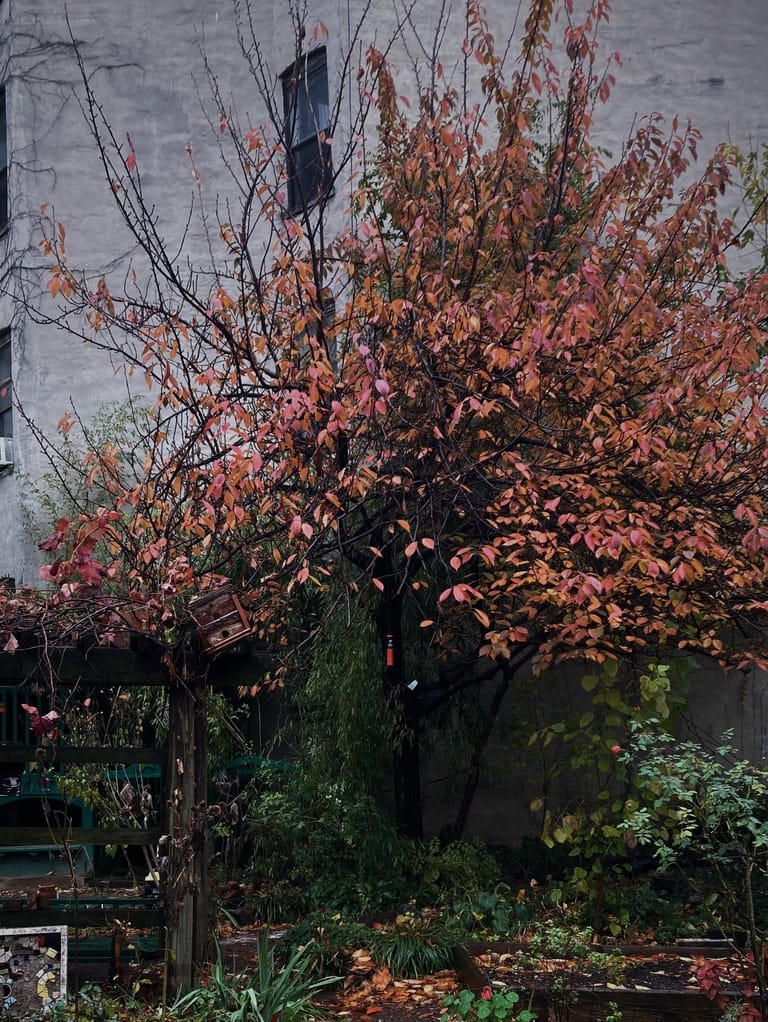
Least favorite thing: Constant worry about the future of green space in NYC. Yes, the land we garden on is owned by the city and under the jurisdiction of GreenThumb & NYC Parks, but so many of our politicians continue to pit green space against affordable housing, when really they should be finding within themselves the political courage to fight for both. In order to protect precious green spaces like this for the future and demand truly affordable housing we need to work constantly to organize our communities so that we aren’t forced to choose between one or the other.
What is your favorite plant to grow, or your most prized specimen?
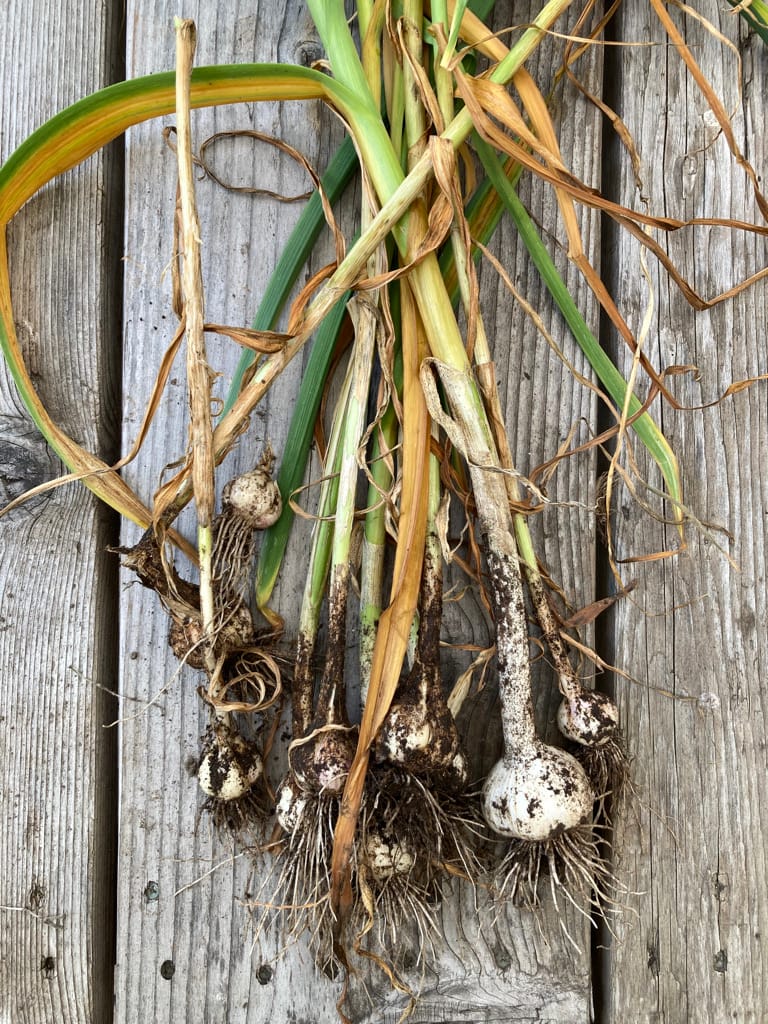
In Michael’s plot, we grow a beautiful patch of garlic each season. I love that it can be used at different stages of its life cycle for the kids cooking program, green garlic for the earliest spring recipes, then scapes, then the fully formed heads and cloves in the summertime. Another favorite in the kids garden are the red noodle beans, a type of long bean from Asia. I direct-sow these in late June or even July, and we always end up with the most incredible harvest of deep red foot-long (plus!) beans to use in our dishes in the late summer. There hasn’t been a single year they didn’t thrive, they love the heat and they’re very low maintenance.
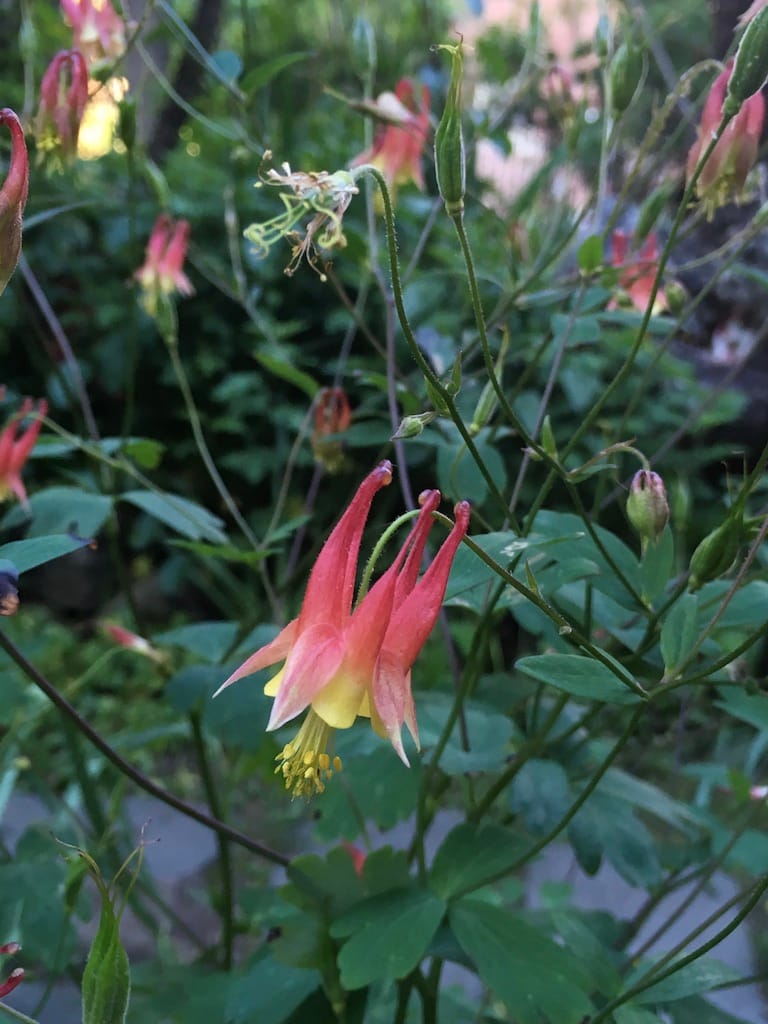
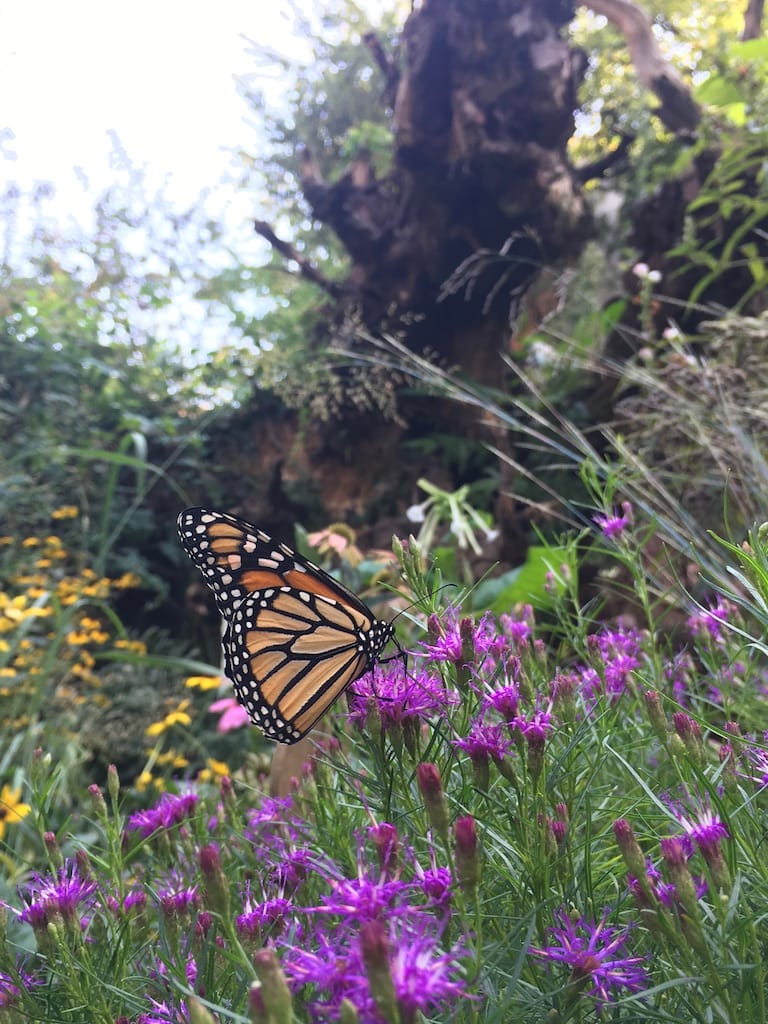
In my own plot and in the native plant beds that the Horticulture Committee looks after, I love the spring ephemerals, the bloodroot, bleeding hearts, rue anemone, hepatica, columbine, Virginia bluebells. And then the asters and the goldenrod together at the end of the season. The time in between is sometimes a bit of a blur, but those two moments always call to me.
What is your favorite season or moment in the garden?
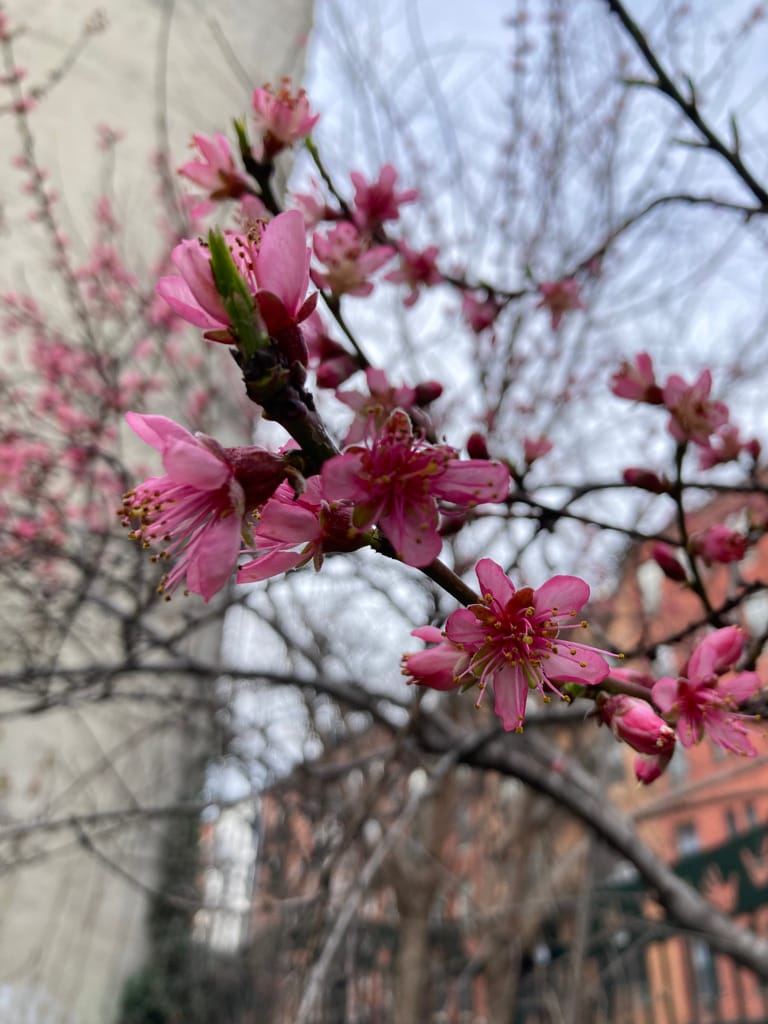
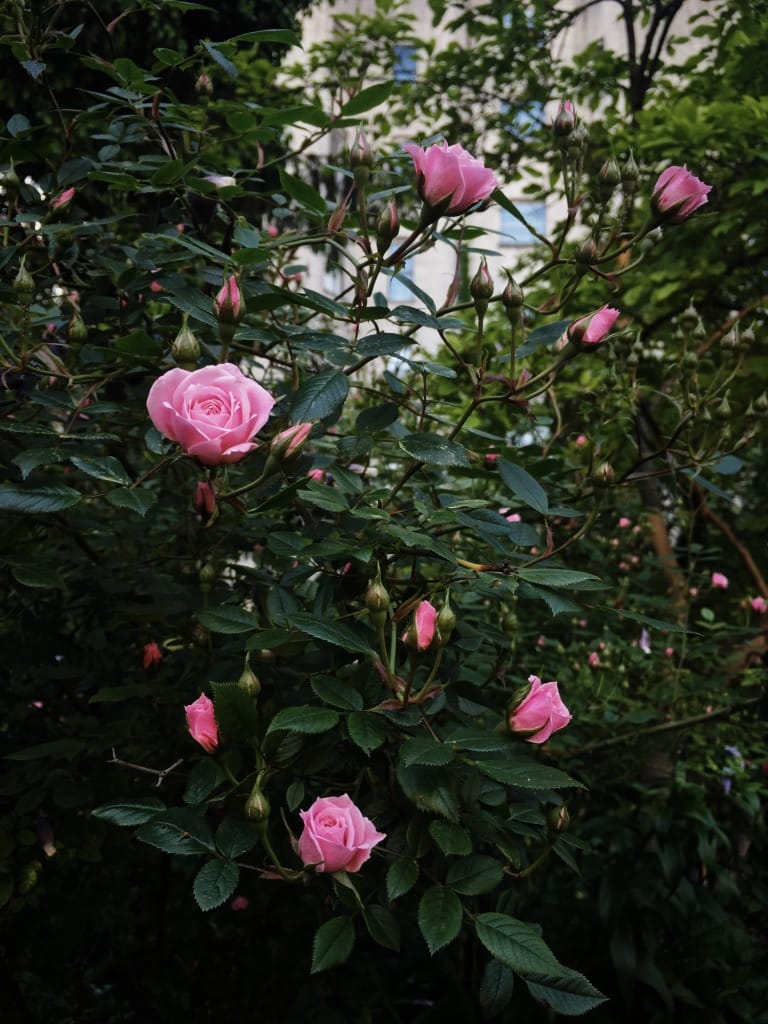
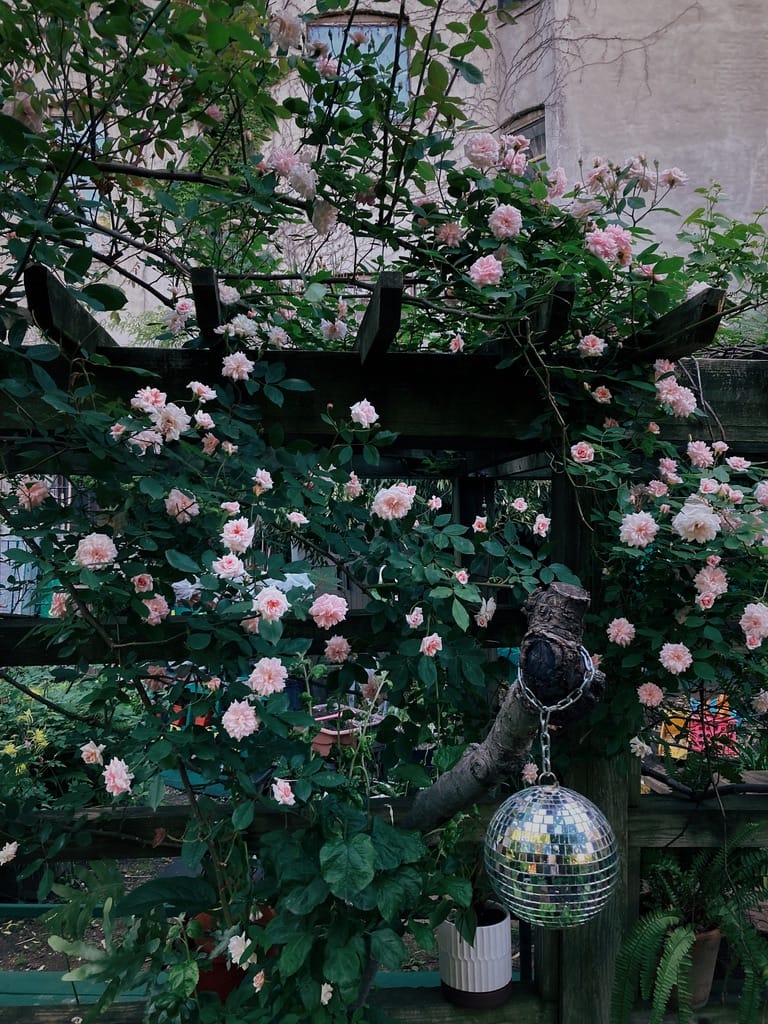
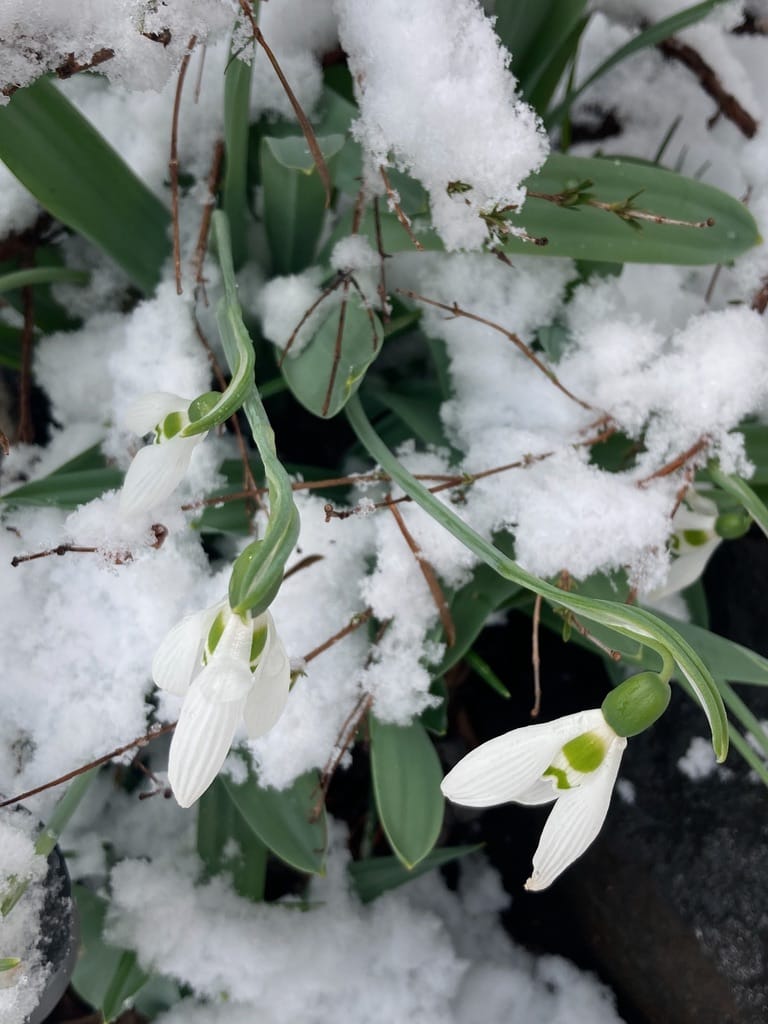
Speaking of which. Impossible to choose, really. The thrill of the first seeds germinating is up there, for sure. Stopping by obsessively in early April to catch the precise moment that the cherry blossoms are ready to preserve, open just a little, but not too much. And the blooming of our fragrant Cecil Brunner rambling rose in late May, we make an annual gallon of wine from the petals. But having gardened now in the same spot for so long, I think what I love the most is the return of the familiar rituals, regardless of the season. Noticing the overgrown midsummer moment, just before the shift toward autumn. That’s a hard one to catch, I often observe it just past the turn. But there is something very satisfying about lingering there for a moment, in a state of suspension. Thinking about it now in the depths of winter fills me with an unparalleled longing.
And do you have a long-term vision for your garden? Anything else you’d like to tell us about it?
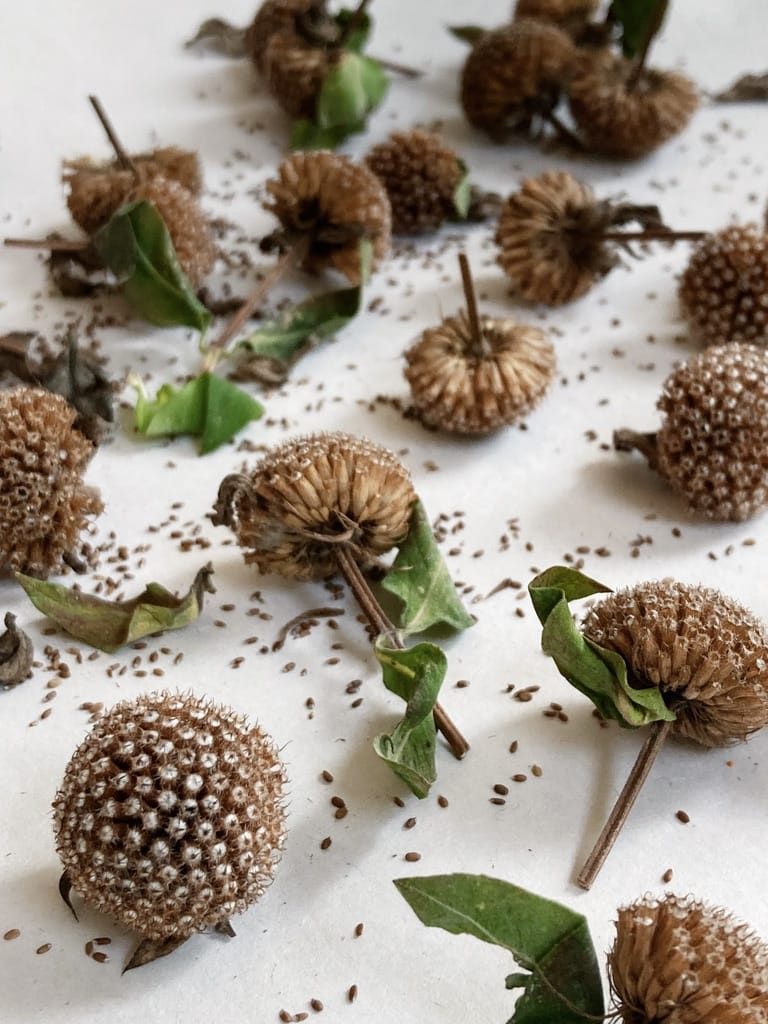
My long-term vision is to be a good neighbor, a good steward, a good community member. To learn from those around me and to share what I know freely. To pick something I grew right off the plant and hand it to someone for them to eat. To collect seeds and to share them. To feel at home on the earth.
[All photos © Briar Winters except portrait of Briar by Valery Rizzo, used with permission]