Playing Favorites: Common white yarrow
... as excellent as it is ubiquitous.

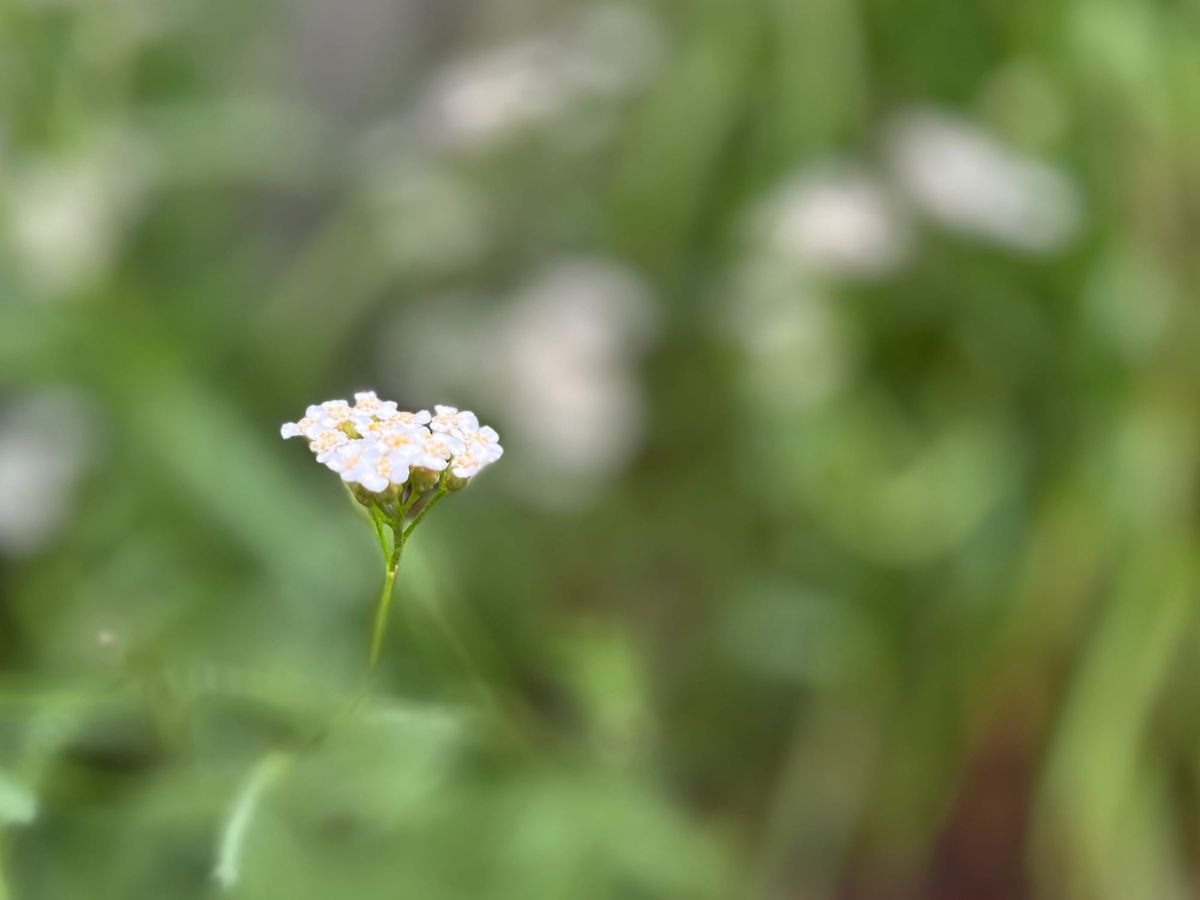
I planted common yarrow (Achillea millefolium) in my first garden in California, and liked it, as I recall — fast-growing and feathery, such a good, quick filler — but then somehow never planted it again. So when I read that it was a keystone plant, I thought sure, I’ll plant some yarrow for the vast array of pollinators who need/want/love it, why not. But was I excited about it? Was I thinking about it as a key player in the overall garden scheme? Can’t say that I was.
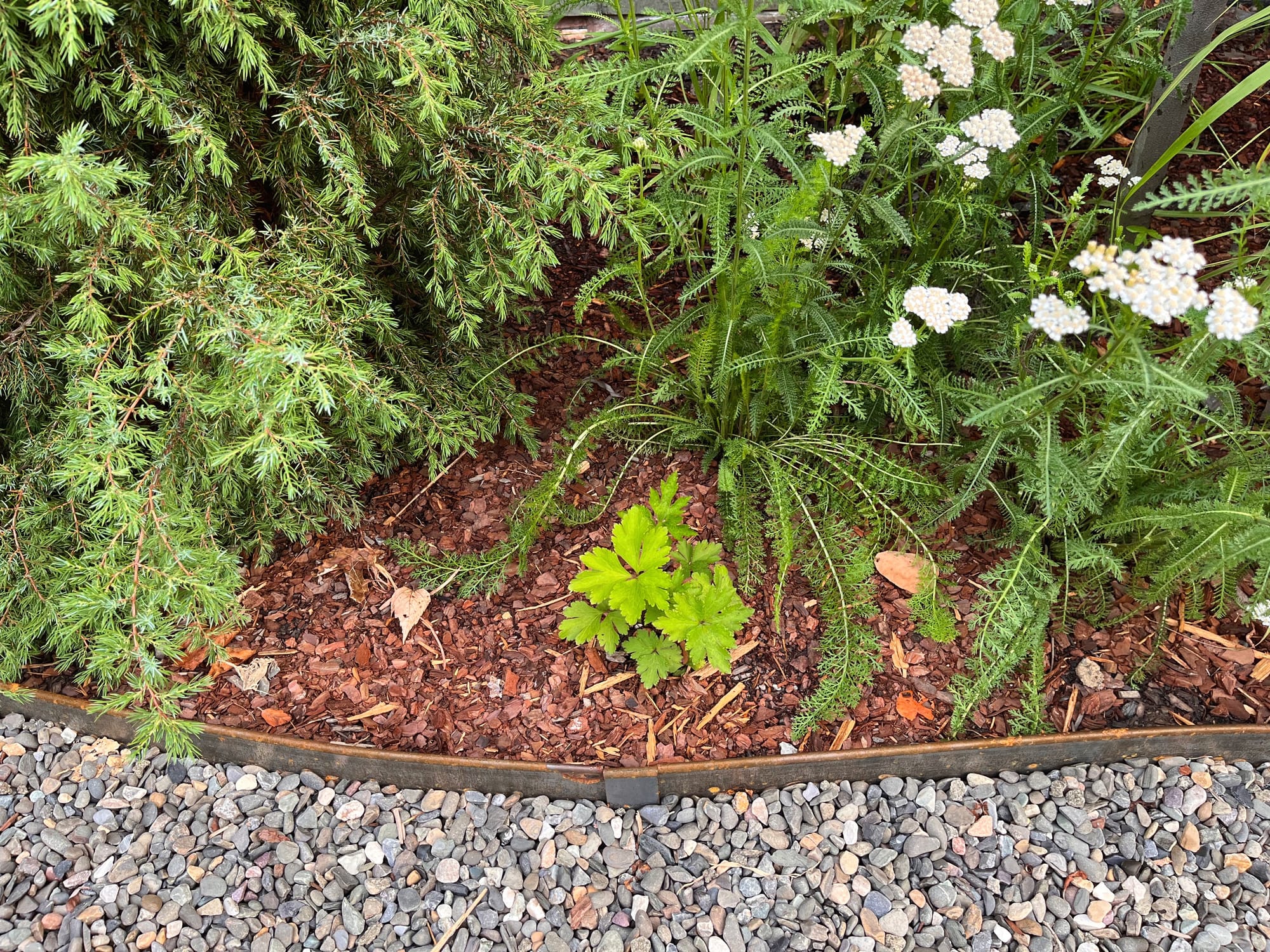
It seems the things that are most likely to win my heart this year are the barely-considered background performers (the character actors) that quietly steal the show. The past couple of weeks, I just cannot take my eyes off this yarrow — especially since tucking that switchgrass in next to it. (Grasses and yarrow are a match made in heaven.) Just wait until the bottlebrush grasses and asters fill in around them. Suddenly having it in just this one spot feels like a crime, but one that’s easily rectified. In part because it’s a fairly aggressive plant, depending on circumstances, and it will happily provide me with more of itself to spread around as I please.
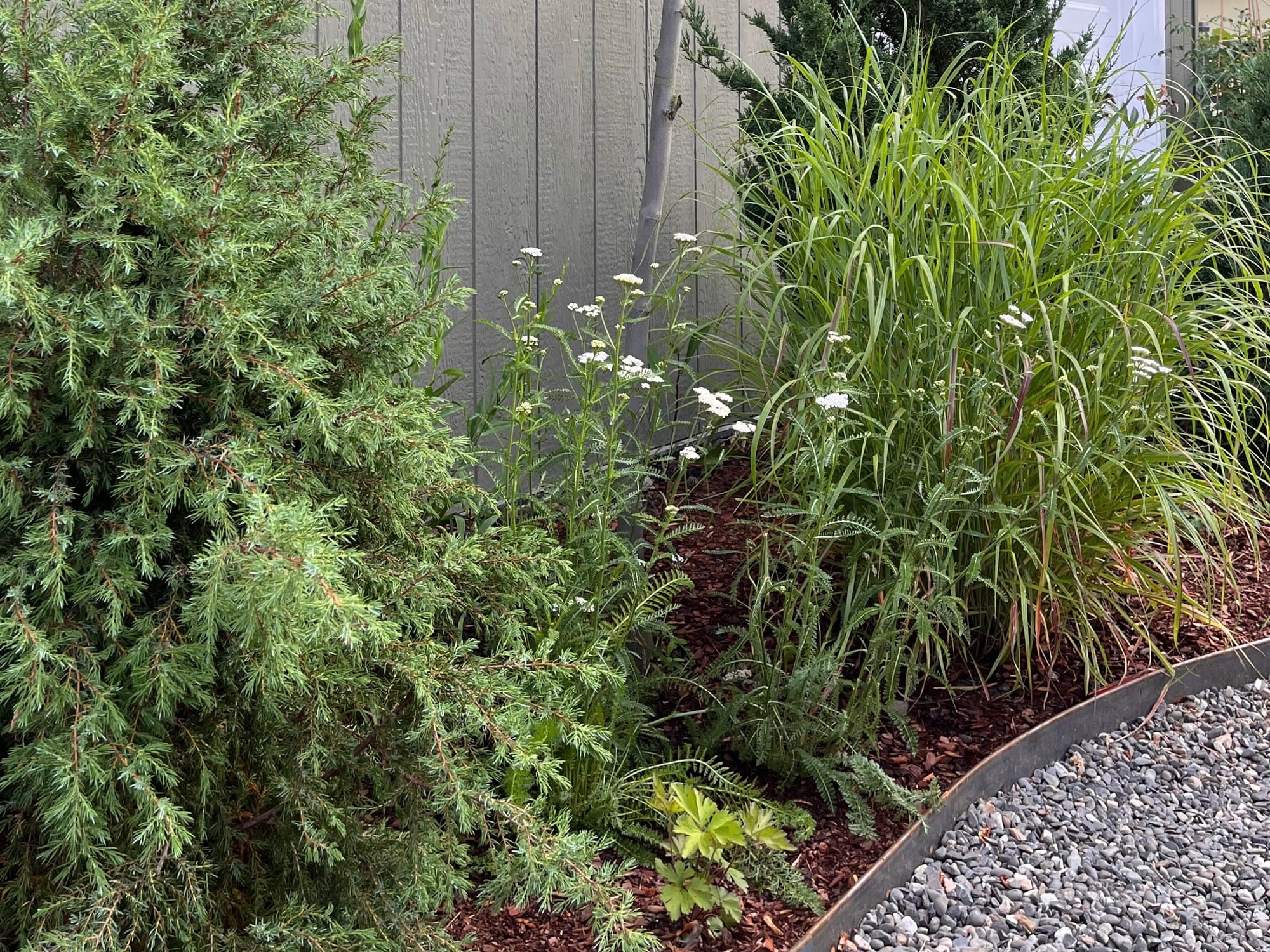
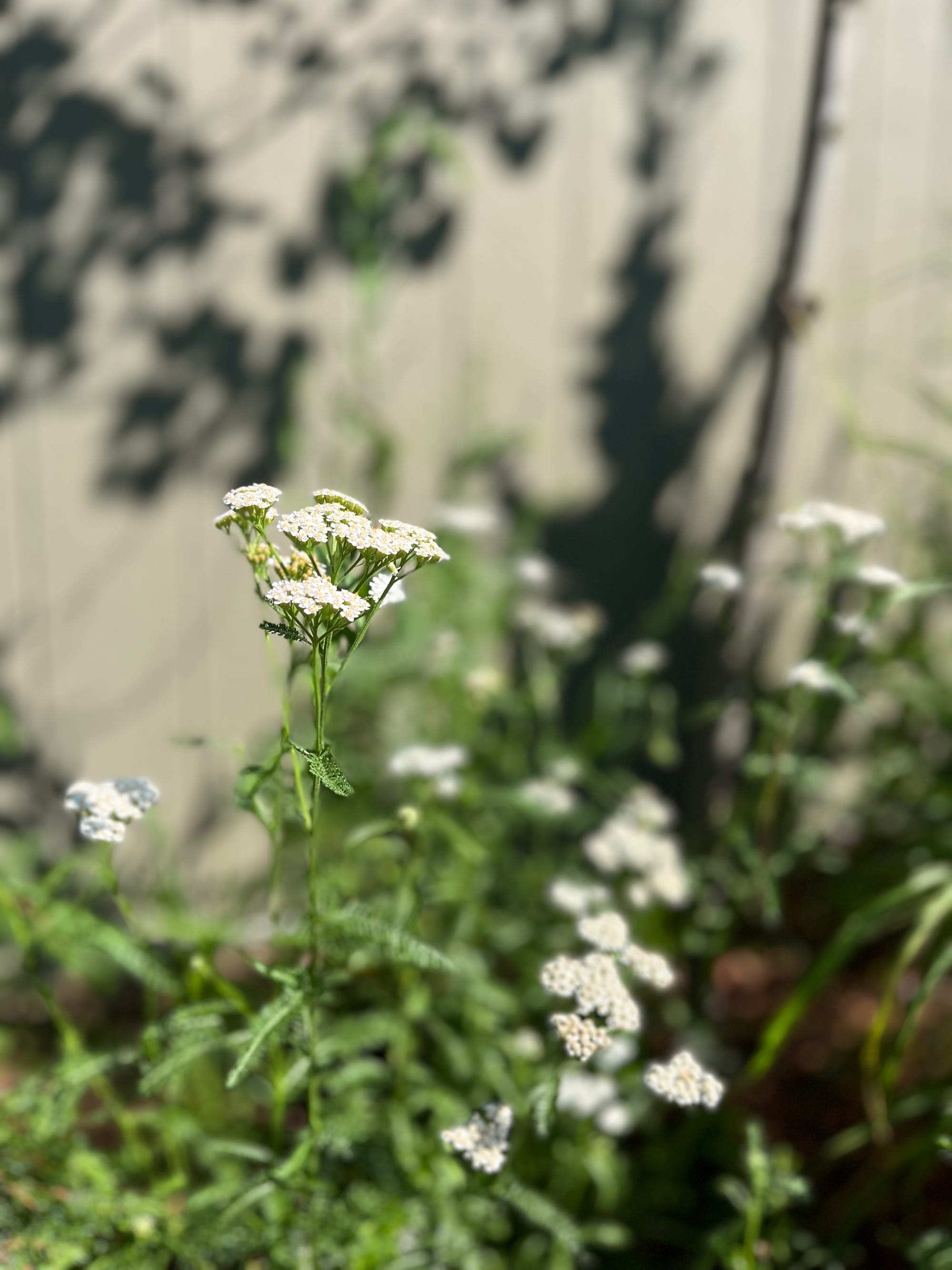
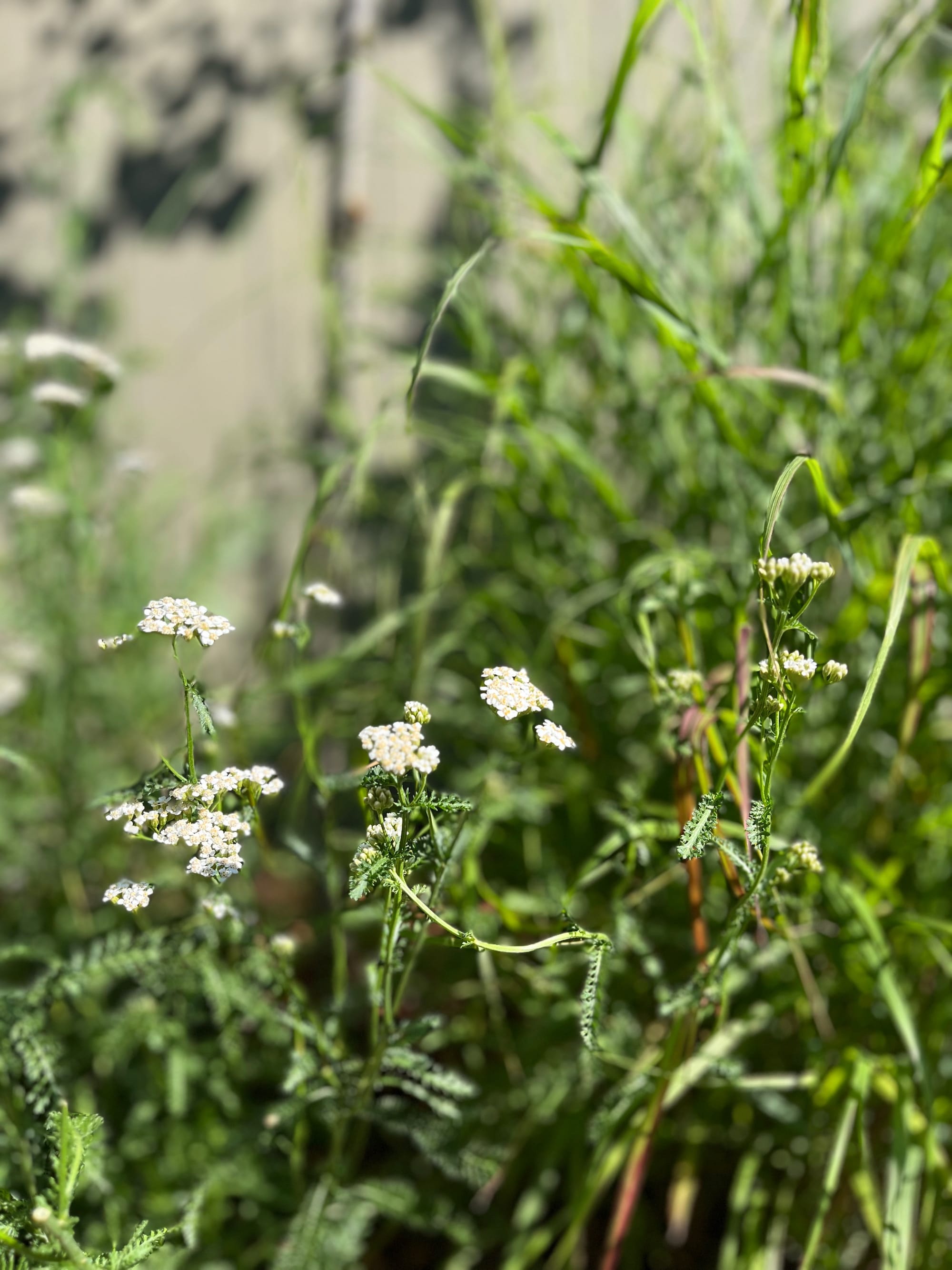
While other varieties and colors of yarrow are available as cultivars, the common white Achillea millefolium is a hard-wearing yet delicate-looking plant with feathery foliage and flat heads of tiny white flower clusters. It wants full sun and is totally fine with poor soil and scant water. The kind of unfussy plant I adore. Mine has been blooming almost since I put it in the dirt in early-mid May (a group of three little pint-sized plants), so almost three months. I don’t know how long it typically carries on up here, but that’s already an impressive run. Will it still be blooming when the asters start? Dunno yet! First time growing both of them here, so we shall see.
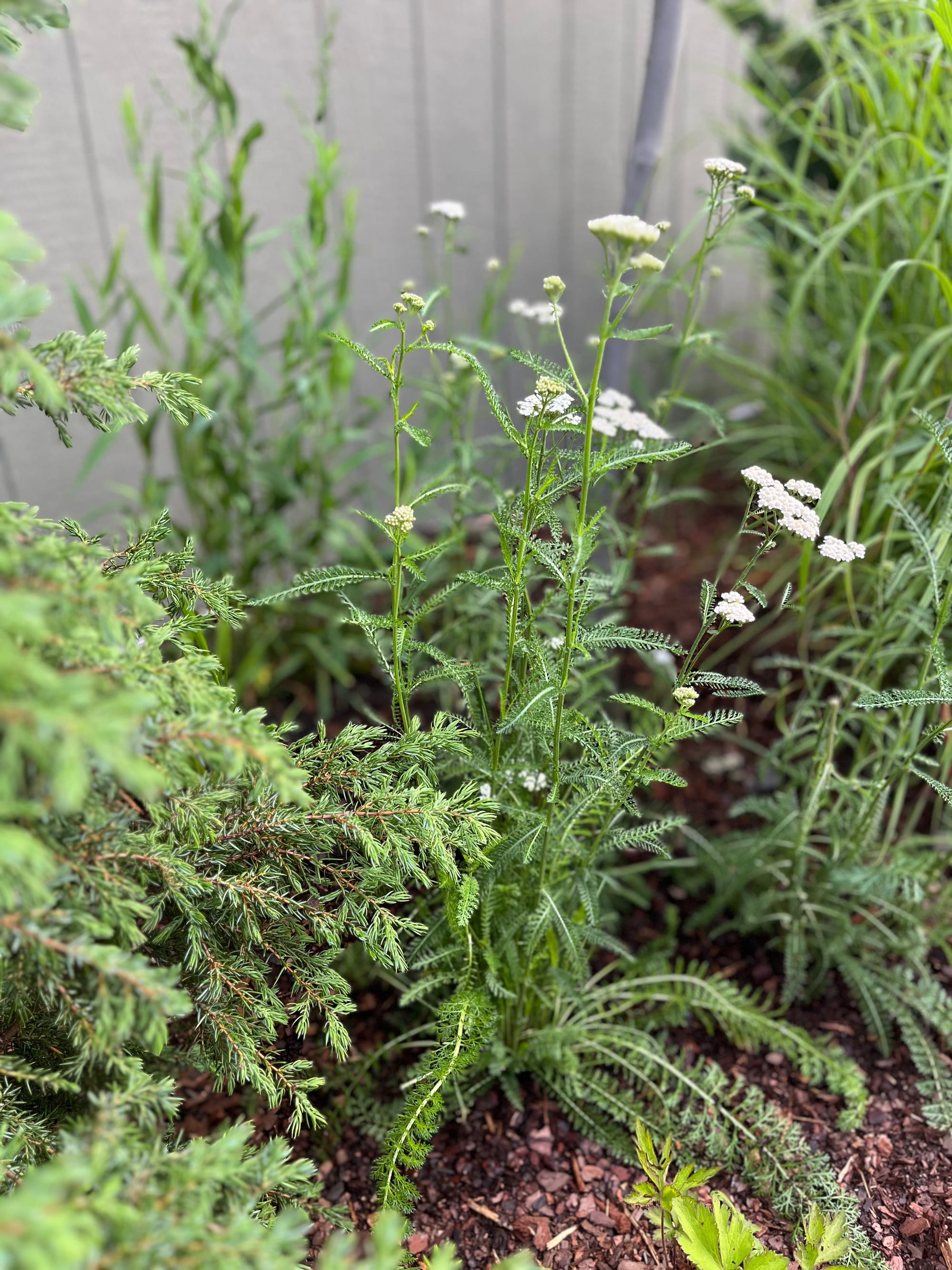
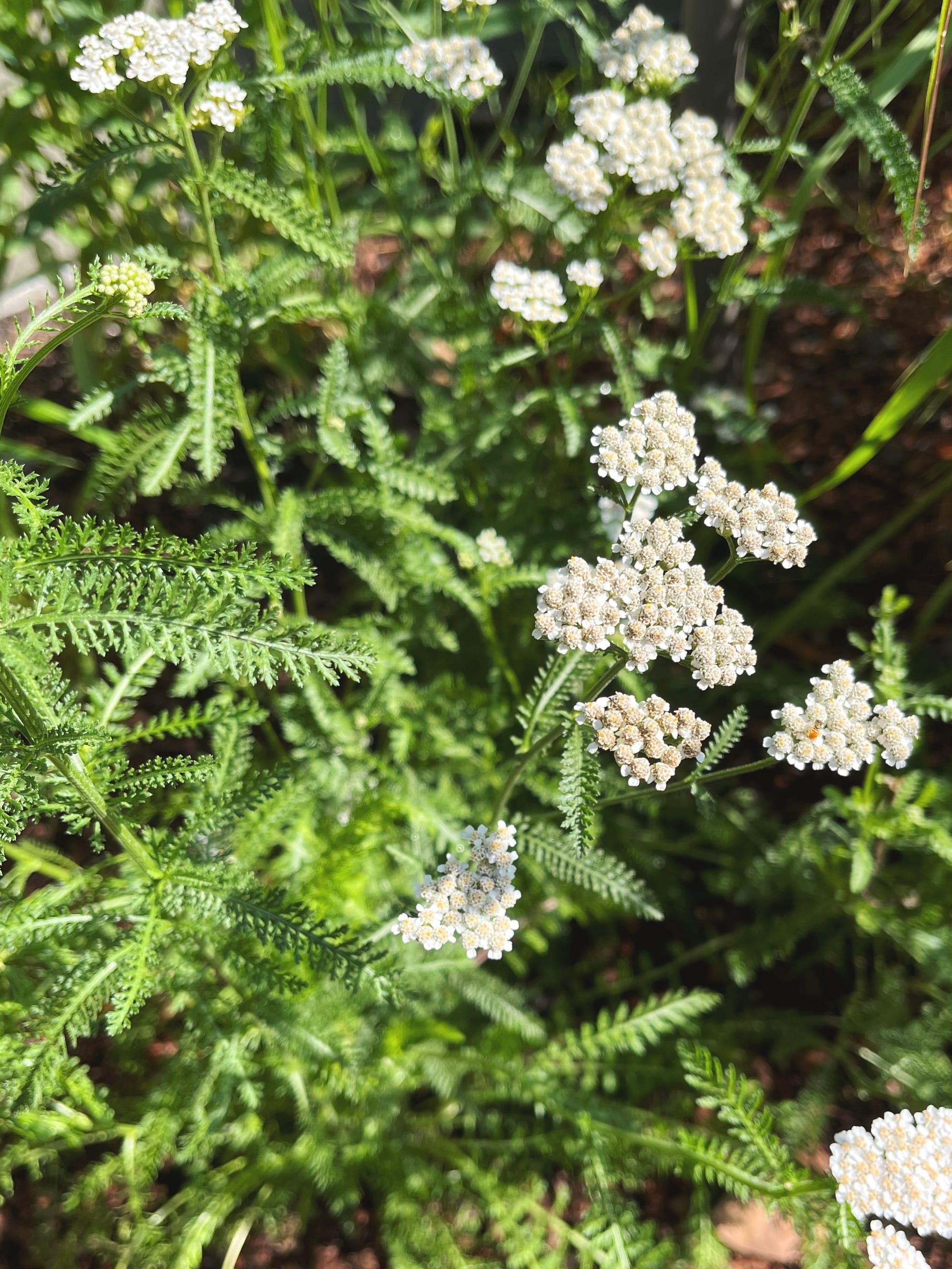
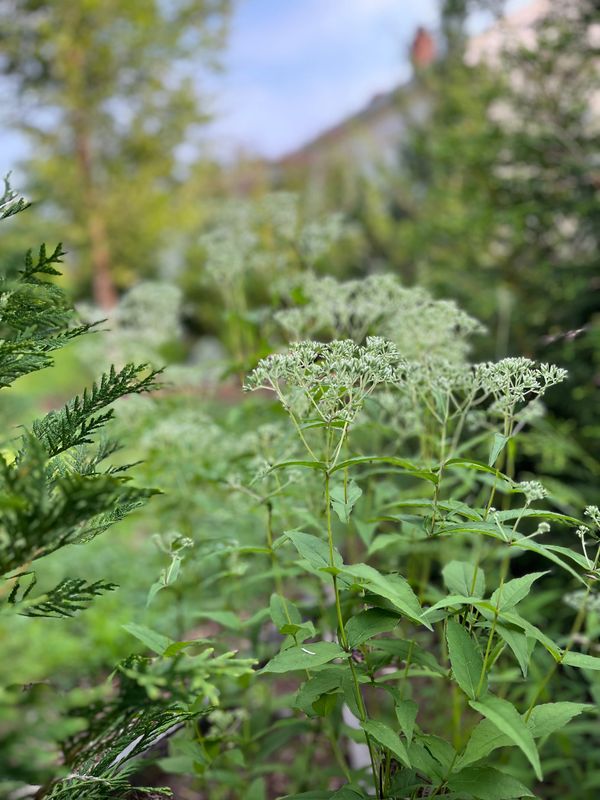
The beautiful textures of common white yarrow, and these are just in their first year of growth.
By the way, I started to say “... the straight species Achillea millefolium ...” above, but with this plant, it’s complicated. White yarrow is apparently considered native to pretty much the entire northern hemisphere — a plant with perhaps the widest native range there is. It has moved around both by itself and with migrating humans, dating as far back as the Neanderthals. (In other words, people brought it with them to the new land, not knowing it was also already here.) So it’s considered to be both native and introduced, compounded by the fact that it cross-pollinates itself in uncommon ways. So is it native or non-native? Depends who you ask and how they want to look at it. Me, I’m content calling it native.
PLANT DETAILS:
• Common yarrow Achillea millefolium, native to essentially the entire northern hemisphere, now widely cross-populated
• Member of the Aster family, Asteraceae
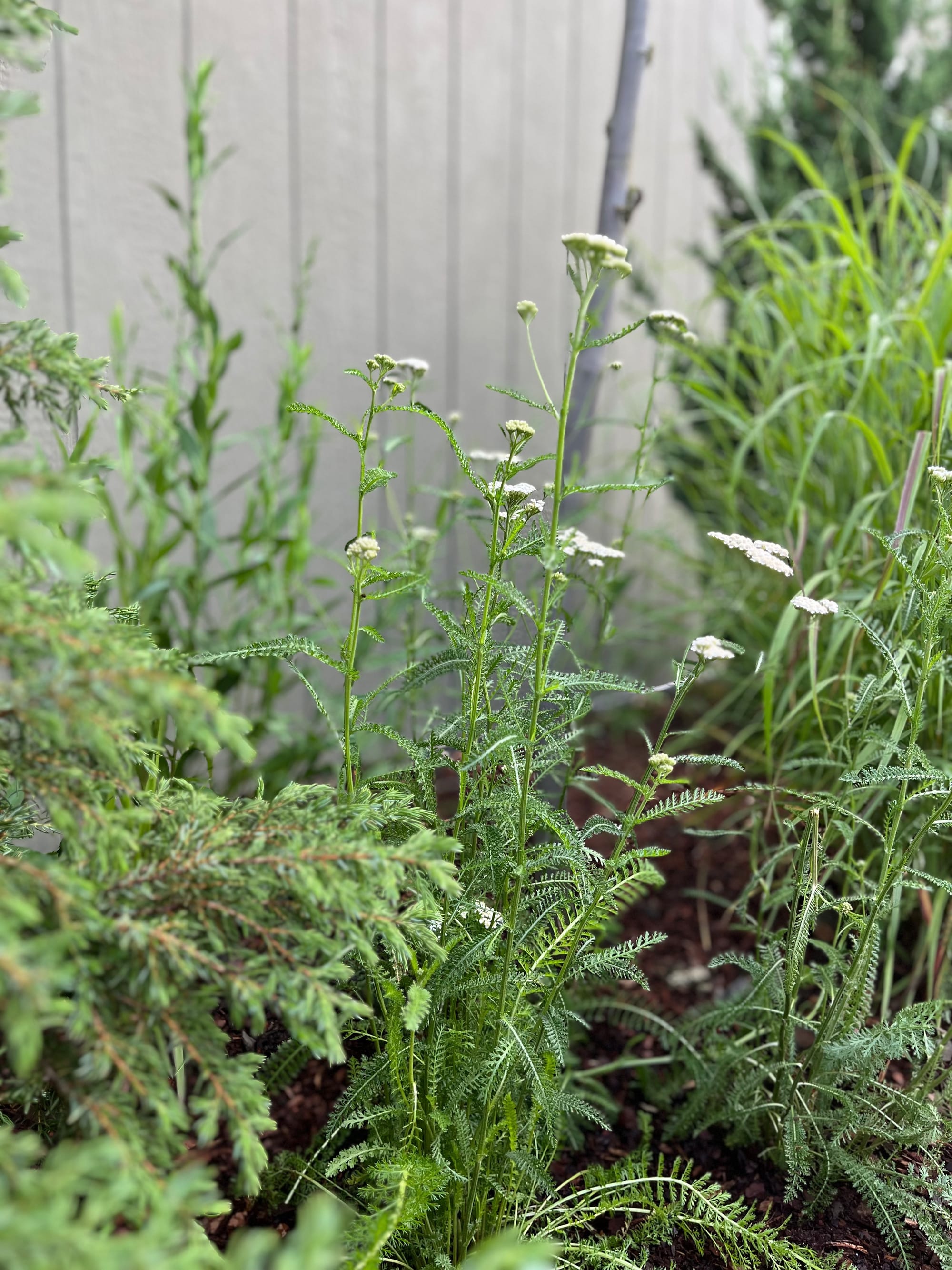
• Feathery dark green foliage with flat-top clusters of tiny white flowers
• Full sun
• Drought tolerant
• Growth habit/height (~2'-3' tall) and bloom time vary by location
• Spreads aggressively by rhizome and can be considered weedy or even invasive in some places or situations
• Loved by bees, butterflies and hummingbirds
• Deer- and rabbit-resistant, toxic to household pets if ingested